
Hero Story - News
News
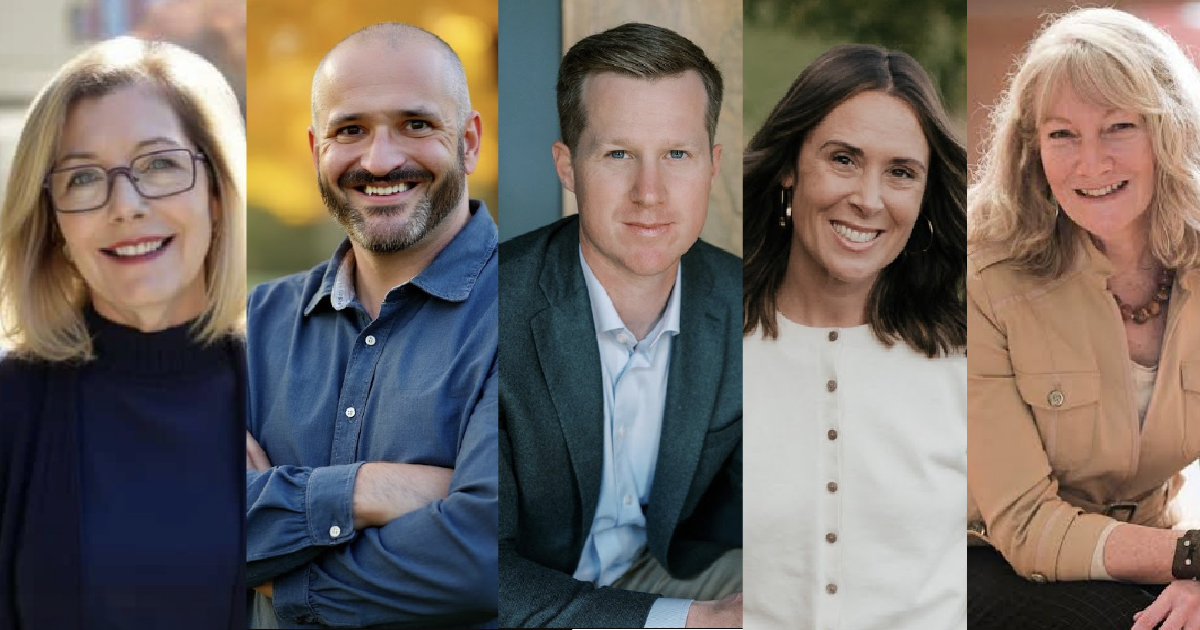
Leaders Share Their 2027 Industry Predictions
As we approach a new year, we asked some top travel leaders for their industry predictions* for 2027 and beyond. Read on for their top predictions and insights as to where the travel industry is heade...
Read More
Leaders Share Their 2027 Industry Predictions
As we approach a new year, we asked some top travel leaders for their industry predictions* for 2027 and beyond. Read on for their top predictions and insights as to where the travel industry is headed.
Carylann Assante, CAE
CEO | SYTA and SYTA Youth Foundation
“My top prediction for 2027 is that educational purpose will become the strongest driver of student travel. Schools and families will increasingly expect every trip to demonstrate meaningful value beyond the destination itself—building confidence, expanding cultural understanding and connecting classroom learning to real-world experiences. The most successful travel providers will be those that clearly communicate not only where students will go and what they will see, but how the experience will help them grow and influence the way they see their future and the world.
AI will transform travel planning—but relationships and expertise will matter more than ever. By 2027, artificial intelligence will be embedded throughout the student travel planning process. Tour operators will use AI to build preliminary itineraries, compare transportation and lodging options, anticipate disruptions, personalize communications and respond more quickly to schools and families.
However, AI will not replace the expertise required to operate safe, successful student travel programs. Teachers and parents will still value the judgment, destination knowledge, risk management and personal support provided by experienced professionals. The strongest companies will use AI to improve efficiency while investing the time it saves in customer relationships and the student experience.
Sustainability will become a practical expectation, not simply an aspiration. Schools, students and families will increasingly expect travel providers to demonstrate how they are reducing the environmental impact of their programs and supporting the communities they visit. Sustainability will influence decisions about transportation, accommodations, meals, attractions and local partners.
The industry will need to move beyond broad claims and offer clear, achievable choices. This may include reducing single-use materials, selecting responsible suppliers, using local businesses, minimizing food waste and designing itineraries that respect destinations and residents. Sustainability will also encompass cultural responsibility—helping students understand how to be thoughtful guests and responsible global citizens.”
Stephen Ekstrom
CEO, Founder | Learn Tourism
“Tourism will rediscover the value of being human. AI will become extraordinarily good at the transactional parts of travel—researching, comparing, translating, booking, optimizing, and answering routine questions. That will make distinctly human skills more valuable, not less. The organizations that stand out will invest in people who can create belonging, exercise judgment, tell compelling stories, demonstrate empathy, and build genuine connections. In 2027, technology will increasingly handle what can be automated, while the competitive advantage shifts to what cannot: meaningful human experiences.”
Fred Ferguson
President & CEO | American Bus Association
“I expect domestic travel to remain one of the industry’s brightest spots in 2027, particularly in destinations outside America’s traditional tourism centers.
The World Cup reinforced something important about the American tourism product: travelers were genuinely interested in the America between the marquee destinations. From Bass Pro Shops and roadside attractions to limited-service hotels, regional food and local culture, visitors embraced experiences that felt distinctly American and off the beaten path. That should give the industry more confidence in selling the enormous range of experiences that exist across the country.
At the same time, geopolitical uncertainty will continue to create challenges for international inbound travel. That makes the domestic market even more important. Americans may also become more cost-conscious about how and where they travel, creating additional demand for regional and interstate trips that are closer to home but still offer something distinctive.
Group travel connected by bus transportation stands to benefit greatly from these trends. Motorcoaches are uniquely suited to connect travelers with secondary cities, small towns, attractions and destinations that aren’t always easily accessible by air or rail. They also allow the journey itself to become part of the experience, connecting multiple destinations and experiences in a single trip.
I think 2027 will reinforce that some of America’s greatest tourism assets are not necessarily the places everyone already knows. They are the communities, attractions and experiences in between—and group travel is particularly well positioned to bring people to them.”
Jessica Flores
Former Chief Experience Officer | Tourism Cares
“In 2027, travelers will look beyond where they are going and ask what they will experience, who they will meet, and how their trip connects them to a place. For tour operators, this is a chance to rethink the itinerary. It is not about removing iconic sites but complementing them with community-led experiences and lesser-visited places that add depth. Sustainability will no longer be a separate layer. It will be built in from the start, an assumed standard. The best itineraries will stand out because they are more thoughtful, locally rooted, and responsible by default.
Climate adaptation won't be enough. Climate change will continue to disrupt where and when we travel, something our industry is seeing more clearly year after year. We will keep adjusting seasons, shifting itineraries and finding new destinations when extreme heat, wildfires, flooding and other events impact travel. But in 2027, the conversation needs to move beyond simply adapting to these realities. The bigger question is how we collectively help mitigate the impacts contributing to them. The travel industry has tremendous power when it acts together, and climate action needs to become a shared responsibility, not just an operational response
Impact will need receipts. Travelers and clients will increasingly want to know not just that a company or trip creates positive impact, but how. Storytelling will always matter, but it will need to be backed by tangible metrics. How much visitor spending stayed in the community? How many local businesses were supported? What was conserved, restored or reduced? As expectations for transparency grow, the industry will need to move toward a more collective language and shared approach to measuring impact. If we want meaningful travel to become mainstream, we have to get better at proving what ‘meaningful’ actually means.
Value won't just mean price. Travelers will continue watching their budgets, but they'll also be asking, ‘Was this worth it?’ Unique access, local expertise, ease, connection and memorable experiences will increasingly define value.
AI will change discovery. Travelers are already using AI to decide where to go and what to do. In 2027, the industry will need to think not only about how it uses AI internally, but how destinations, experiences and small businesses actually show up in AI-powered trip planning.
Community will become part of the product strategy. More destinations and operators will recognize that supporting local businesses and community-led experiences isn't separate from creating a great visitor experience. It's part of building more distinctive, resilient and competitive tourism products.
Smaller groups, deeper experiences. Group travel will continue shifting toward smaller, more flexible groups and experiences built around specific interests, from food and culture to nature, wellness and adventure.
Blending known and unknown. The best itineraries will balance the iconic and the unexpected. Travelers aren't going to stop wanting Machupicchu, the Colosseum or the Eiffel Tower. The opportunity is to build around those anchors, giving travelers reasons to stay longer, explore farther and spend more of their trip within local communities.
The return of the human connection. As AI becomes more embedded in how people research and plan travel, the human side of travel will become even more valuable. Technology can make planning easier, but it can't replace a great guide, a local storyteller, or the connections that make a trip memorable.
The itinerary will spread out. Overtourism, extreme weather and traveler fatigue with crowded destinations will push the industry to think beyond the same places at the same times. Shoulder seasons, secondary cities and lesser-visited communities will become increasingly important parts of product development.”
Catherine Prather, CTP
President | National Tour Association
“For 2027, the progressive, forward-looking tour operators and their partners will lean even further into consumer-driven preferences that have been evolving in our segment of the industry since before the pandemic: smaller groups, deeper experiences, and a greater emphasis on value.
Travelers increasingly want the convenience and connection of group travel while enjoying more flexibility and personalization. They also want to feel connected to the places they are visiting and expect to go beyond traditional sightseeing. They seek authentic experiences centered on the people in a community, their stories, the local culture, food, history, and adventure. At the same time, rising travel costs are making value more important—not necessarily the lowest price, but meaningful inclusions, special access, and expertise. For NTA members, these traveler preferences create new opportunities to collaborate and develop memorable travel experiences that meet evolving expectations.
Going a bit deeper, smaller groups, flexible itineraries, and opportunities for personalization will continue to gain ground, giving tour operators new ways to rethink traditional packaged tours.
Also, experiences take center stage. Where travelers go still matters—but what they experience when they get there matters even more. Meaningful, authentic local experiences, culinary offerings that tell the story of a culture, heritage and history, festivals, and active adventures can transform an itinerary from a sightseeing trip into something memorable. For NTA partners, the focus on supporting local tourism communities and small businesses creates opportunities to collaborate on distinctive experiences travelers can't easily replicate on their own.
And, finally, value matters more than ever. With travel costs continuing to rise, travelers will pay closer attention to what they're getting for their money. That doesn't necessarily mean choosing the least expensive option. Instead, tour operators can demonstrate value through thoughtful inclusions, special access, convenience, and expertise—all strengths of the packaged travel model and working with a tour operator.
We can’t talk about the future (or the here and now!) without referencing technology. Tourism professionals—and everyone in the world—will continue to grapple with how to harness the power of AI for good. Even though tour operators, destinations, hoteliers, restaurants, and other tourism professionals are already overloaded with AI, many are still simply trying to figure out how to get started. We’re questioning how travelers are using AI, how it will impact searches and purchasing, how it can bring efficiency to day-to-day operations, and how it can help us reinvent for the future.
Travelers’ use of AI is pacing well ahead of where the industry is in terms of driving these travelers back to their sites for purchase, and my prediction (and hope!) is that we’ll experience some positive shifts in this direction and that tour operator-packaged travel will remain strong based on the (current) typical and primary group tour traveler. Evolution and adaptation; however, is needed in our segment to be successful and thriving in the long run.”
*All predictions were made prior to September 15.
Edited by Sarah Suydam, Managing Editor for Groups Today.
The original, abridged version of this article first appeared in the Nov/Dec ’26 issue of Groups Today.
Headshots L-R courtesy of SYTA, Learn Tourism, American Bus Association, Tourism Cares, National Tour Association

© 2026 Groups Today - All Rights Reserved. Read our Terms and Conditions