
Hero Story - Blog
Blog
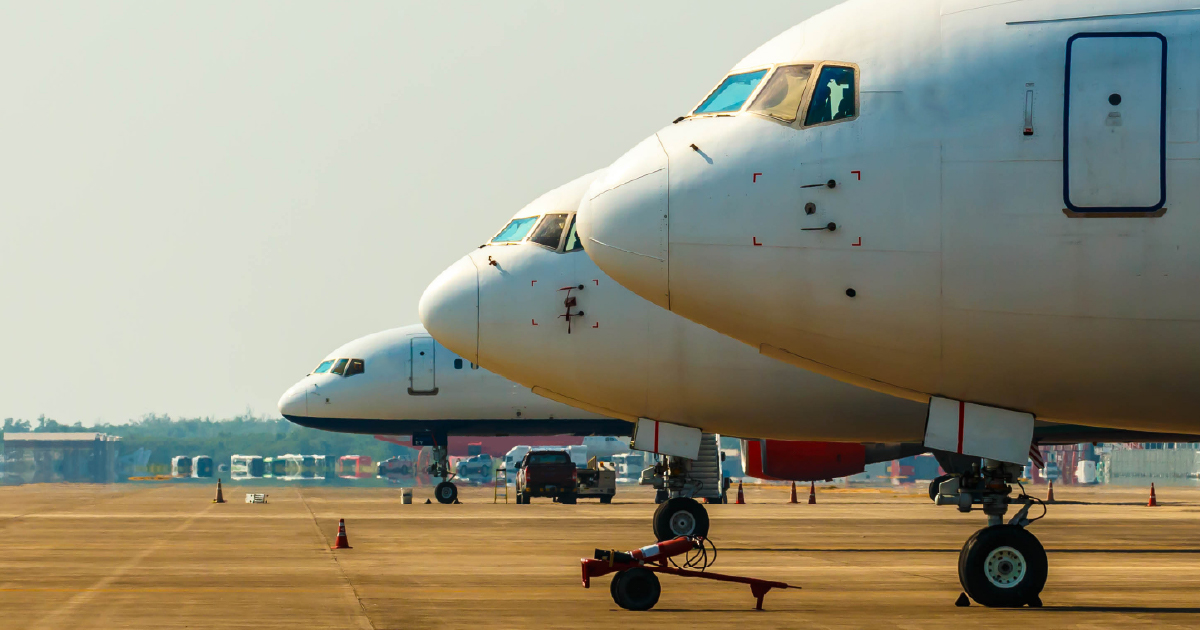
The 2026 FAA Ground Stoppage: Lessons Learned
With the recent FAA ground stoppage, travelers, industry pros, and onlookers alike were left trying to make due in the moment. This event reinforced what most of us already knew: that a mostly unprece...
Read More
The 2026 FAA Ground Stoppage: Lessons Learned
With the recent FAA ground stoppage, travelers, industry pros, and onlookers alike were left trying to make due in the moment. This event reinforced what most of us already knew: that a mostly unprecedented event can happen at the drop of a hat. So, when the unexpected happens, and you’re at the mercy of the world around you, what lessons are there to be learned from that?
We asked some industry leaders and experts for their insight into what key takeaways we should pay more mind to in the wake of this disruptive stoppage.
According to Stephen Ekstrom, Co-Founder and CEO of Learn Tourism, when the systems go dark, your people become the system.
“Of course it happened on Friday the 13th: a router glitch grounded the whole country for four hours, and no app, dashboard or backup server could fix that in the moment,” Ekstrom said, emphasizing that what travelers will remember about the experience of delays and major pivoting is who helped them through it. “The gate agent who told them what was actually going on. The hotel night manager who found one more room. The group leader who turned a stranded afternoon into a terminal happy hour. That goes for all of us, too. When plans fall apart, don't dwell on the change. Call on the people you know. Book a table at a great local restaurant and ask your server what's worth doing nearby. Reach out to the hotelier, tour operator or friend in town who knows the place better than any app.”
Relationships, Ekstrom said, are the best travel insurance there is.
“For organizations, the lesson is to train for the weird day, not just the normal one,” Ekstrom explained. “Give your frontline teams and group leaders the confidence, and the permission, to make a call, share what they know, and treat stranded travelers like guests instead of problems. You can't prevent disruptions. But whether one becomes a horror story or a 'you won't believe what happened to us' story is decided long before the departure boards turn red."
Carylann Assante, CAE, CEO of SYTA and the SYTA Youth Foundation, said the recent stoppage tested the student travel industry.
“Groups were stranded mid-journey, both heading out and heading home, and it happened over a weekend, when many offices are lightly staffed,” Assante said. “For our members, the health and safety of the students in our care always comes first. This event showed that you meet that commitment by preparing before the crisis starts.”
Assante shared several lessons that stand out in the stoppage’s wake:
-
Have a crisis communications plan in place before you need it. “That means a written plan, trained employees on call, and clear roles so your team can act right away instead of making it up as they go.”
-
Staff your customer service for after-hours and weekend emergencies. “Disruptions don’t keep business hours. Rebooking students, answering worried parents, and adjusting itineraries all depend on having people ready to respond, whatever the day or time.”
-
Keep your internal and external messaging aligned. “Office staff, tour directors, and group leaders on the road all need the same timely information. That lets them reassure students and give families one consistent message.”
-
Keep key contacts current and within reach. “An up-to-date list of school administrators, group leaders and parents lets you communicate fast and directly, whether students are heading home or carrying on with their trip.”
From a motorcoach perspective, Fred Ferguson, President & CEO of the American Bus Association, said the biggest lesson learned is that buses need to be better recognized for the role they play in our national transportation system.
“In 2025, motorcoaches recorded 346.3 million passenger boardings, second only to airlines among major passenger transportation modes,” Ferguson shared. “We’re already a critical part of the transportation ecosystem, connecting rural communities with urban centers, facilitating school trips, and supporting tourism and group travel throughout North America. Where we need to improve is working with policymakers and other transportation stakeholders to better understand the reach, scale, and capabilities of our industry.”
That’s why, Ferguson emphasized, the work of the ABA Foundation is so important.
“Our latest research shows that motorcoach travel generates $161.6 billion in total economic impact, supports nearly 900,000 jobs, and contributes $28 billion in federal, state, and local taxes,” he said. “These numbers give us the foundation to make a stronger case for transportation infrastructure, better connections between transportation modes, and a more integrated national transportation network.
“The FAA ground stoppage is another proof point that buses need to be part of that conversation. When air travel is disrupted, our industry has the potential to help move people and keep communities connected. But that requires better coordination and planning before a crisis occurs.”
This is a story Ferguson said he’s been working to tell since his arrival at ABA two years ago.
“The ground stoppage didn’t create the need for a more connected transportation system,” he added. “It simply reinforced how important that work already is.”
Written by Sarah Suydam, Managing Editor for Groups Today.

© 2026 Groups Today - All Rights Reserved. Read our Terms and Conditions