
Hero Story - Business
Business
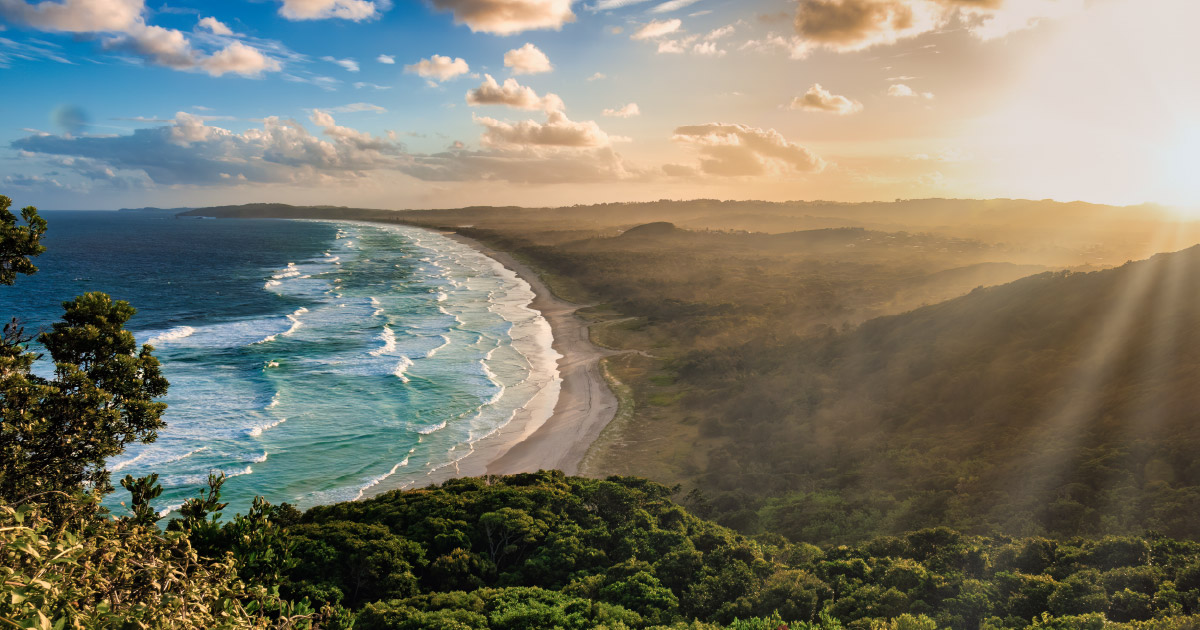
Opening the Door to a New Group Destination or Attraction
Group travel professionals understandably have an eye for what works for groups, including untapped potential in a destination or attraction. But beyond recognizing a spot would be perfect for group i...
Read More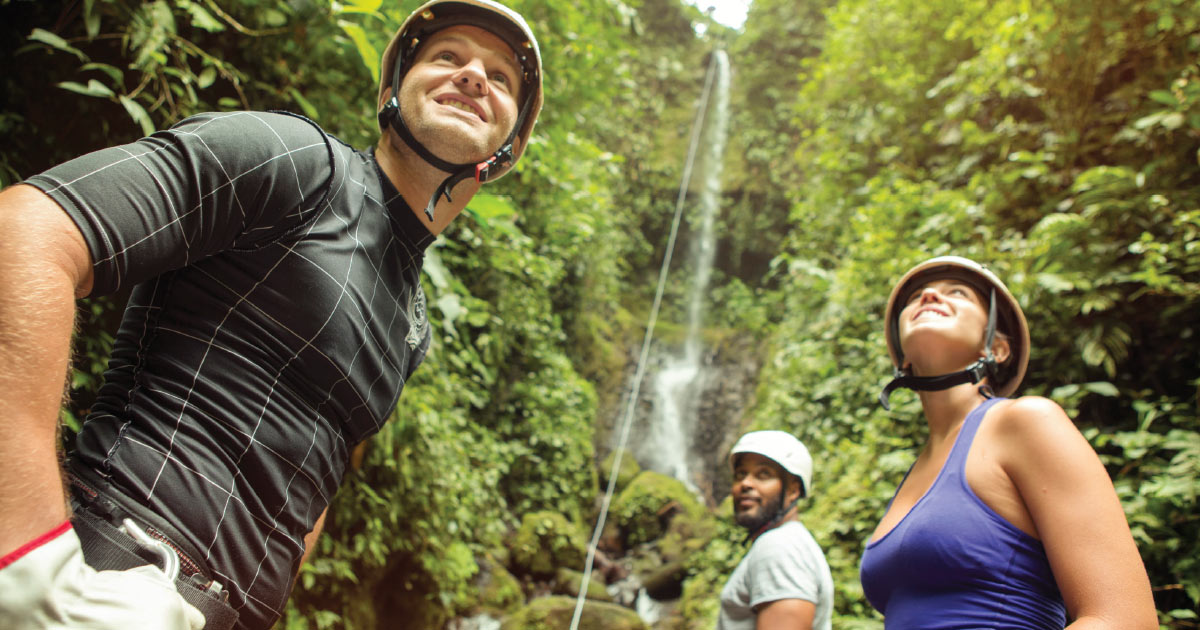
Marketing Your Sustainability and Socially Conscious Efforts
More now than ever, there's a warranted and important focus on ensuring travel is done sustainably and in a socially conscious way, providing groups with an unforgettable experience while simultaneously benefiting the destinations we travel to and the people who call those places home.
To learn more about prioritizing your sustainability-focused and socially conscious travel efforts—and then marketing them to travelers—we spoke with Alexandra Sanchez, U.S. Consumer Marketing Manager for G Adventures.
To begin, Sanchez reminds us: Travel is a privilege.
"Those of us lucky enough to have the means to visit new places and experience different cultures are extremely privileged, and where and how we spend our traveler dollars is of utmost importance," she said. "At G Adventures, we believe in community tourism, which to us means mutually beneficial experiences for both the traveler and the people who live in the places that we visit. We created something called the 'Ripple Score' which is a way to see just how many traveler dollars stay within the community."
The Ripple Score works by G Adventures assigning each of their trips with scores from 1 to 100, with 100 meaning that all dollars spent stay within the local community.
"We strive to get our Ripple Score numbers as high as possible by using locally owned accommodations, restaurants and local guides. We support local social enterprises that create a sustainable living for members of the community," Sanchez said, offering questions groups can ask to ensure they're traveling in a more socially conscious way. "Ask questions. Ask who benefits. Demand, with your traveler dollars, that locals benefit from you being there. Ask what happens if there's a disruption in the travel industry. Are locals' livelihoods being protected in any way?"
As a group travel professional, you should ponder and be prepared to answer these questions from your groups. If you find yourself at a loss, it's likely time to reassess your own practices and see where there's room for improvement.
"Travel is not about photo ops; it's about learning about different cultures, seeing your place in the world and finding connections in even the most unlikely places," Sanchez said. "Building connections makes for a more conscious traveler."
Because more and more groups are expecting their experiences to have these factors in mind, it's no surprise to learn that seeing that a company also prioritizes sustainability and socially conscious travel can influence groups' booking decisions. Knowing this, it's worth ensuring your efforts are conveyed in a concise and easily demonstrated way. But of course, make sure you're walking the walk.
"Positioning your organization as 'socially conscious' is an entire lens shift, and requires a long-term commitment," Sanchez said. "Hire local guides, use locally owned accommodation and restaurants, create relationships with local businesses and entrepreneurs, and make sure they're benefitting from the relationship."
While there aren't any quick fixes or shortcuts, Sanchez recommends the following actions to help demonstrate your efforts to groups:
- Make your efforts a part of the trip (not just an "oh-by-the-way" moment). Guides should weave it into the trip, reminding travelers that their dollars matter in a very big way.
- Build community elements into the trip. This can be done through some of the steps mentioned above. Incorporate these elements into your marketing materials so groups know outright where you stand.
- Use social media to highlight practices. Take advantage of the versatility of social media to reach potential travelers and show them visuals of what sustainable and socially conscious travel looks like. Of course, ensure you have consent from anyone you photograph or film and that those actions are conducted responsibly.
Sanchez also suggests implementing a similar scale to G Adventures' Ripple Score to demonstrate a trip's impact.
"It's a great way [for travelers] to quickly get a read on how 'community-friendly' the trip is."
Written by Sarah Suydam, Managing Editor for Groups Today.
This article originally appeared in the Sep/Oct '23 issue of Groups Today.
Photo Courtesy of Justin Lauren Davidson / G Adventures inc.

© 2026 Groups Today - All Rights Reserved. Read our Terms and Conditions